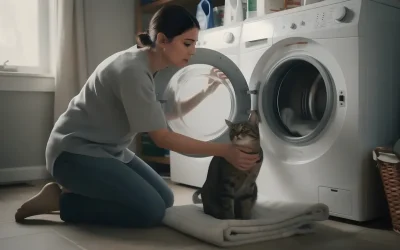
I cannot tell you how many times we’ve arrived for a cat visit and found a kitty has shut a door and closed itself into a room, no food, no water, no litter box in reach. It happens more than you’d think, and it’s one of the reasons I get a little feisty about visit schedules.
A healthy adult cat can usually handle eight to twelve hours alone. Once you’re gone longer than a day, whether that’s a weekend away, a three-day trip, or a full week’s vacation, most veterinary guidance says the same thing: have someone check on your cat at least once a day. Put plainly, a cat sitter should check on your cat at least once a day for any absence longer than 24 hours. That’s the rule here at Top Dog Pet Sitters, and there are no exceptions for every-other-day, not from us.
That’s the short version. Here’s why we hold that line so firmly, and what actually happens to a cat in the gap between visits.
What the Experts Actually Say
The experts don’t all land on the same number. Veterinary sources generally put a healthy adult cat’s limit at eight to twelve hours for a normal outing, with a stretch to 24 hours treated as an occasional exception, not a routine. Some manufacturer-style pet-care pages take a more permissive view, saying a cat might handle 24 to 48 hours if food and water are set up right. Feline welfare charities land on the strict end of that same range, some setting a ceiling closer to 12 hours.
Where the sources land differently is the first day or two. Most veterinary guidance recommends a daily check once you’re gone longer than a day, while a few more permissive sources say a healthy adult cat may be okay alone for 24 to 48 hours under the right circumstances. We didn’t find a single veterinary source that treats a trip longer than that as safe unless somebody’s checking in every day. We won’t skip a day even inside that 48-hour window, and the rest of this post is why.
One quick note: this post is about a healthy adult cat heading out of town, not a kitten. Kittens need far more frequent care than anything discussed here.
The Trip-Length Answer, at a Glance
8 to 12 hours
The typical window vets say a healthy adult cat handles fine on its own.
Up to 24 hours
Treated as an occasional stretch by most vets, not a routine plan.
Longer than a day
Most vets say someone should check in daily. A few sources allow up to 48 hours for a healthy adult cat. No veterinary source we found goes past that without daily visits.
Why a Missed Day or Two Is Riskier Than It Looks
A urinary blockage can turn life-threatening within 24 to 48 hours, according to veterinary sources. That’s the actual timeline emergency vet clinics describe, and it’s exactly why we won’t leave a cat unchecked that long.
A cat that hasn’t eaten properly for even 24 hours needs veterinary attention. Going without food for a few days can trigger fatty liver disease, a condition that hits cats in particular, and it only gets worse the longer nobody notices the untouched bowl.
Here in McKinney, Melissa, and Celina, summer adds its own version of this risk. A house with a failed air conditioner can turn into a genuinely dangerous 48 hours for a cat, and nobody would know until the next person walked through the door.
The real reason all of this matters for visit frequency comes down to one thing: vets will tell you cats are wired to hide it when something is wrong. A cat that looks a little quiet at one visit can be seriously sick by the next one, especially if that gap is 48 hours instead of 24. That’s why we watch for eating less, less urine in the litter box, hiding, or a cat that’s stopped grooming itself. Those are often the only signs you get.
If anything here sounds like your cat, the answer is always the same: call your vet. This post is about visit frequency, not diagnosis.
Call Your Vet If You Notice Any of These
- Skipping meals, even for one day.
- Little or no urine in the litter box.
- Withdrawing or staying out of sight more than usual.
- No longer keeping up with self-grooming.
What We’re Really Checking On Every Visit
Every visit, we check the same five things.
- Eating
- Drinking
- Urinating
- Defecating
- Behaving normally and physically okay
A visit means more than filling a bowl and scooping the box. We’re looking at the litter box as closely as we’re looking at the cat, because a change in there, less urine, nothing at all, is often the first real sign something’s off.
Every visit also gets a pet journal email, so a daily visit means a daily update for you too, not just a daily check on your cat.
When Once a Day Isn’t Enough
Once a day is the floor for a healthy cat. Some cats need more, and we’ve never pretended otherwise.
Cats on daily medication are the clearest example. Veterinary guidelines list common insulin dosing for diabetic cats as twice a day, not once, which is a real gap from our once-a-day floor. If your cat’s medication runs on a schedule like that, book the number of visits that schedule calls for. We’re glad to administer medications during a visit, but the number of visits your cat needs is set by the medication, not by us, and it’s your call to book accordingly.
A Floor for Healthy Cats, Not a Ceiling for Every Cat
Healthy cat
Once a day is the minimum we hold to.
Cat on daily medication
Twice-daily medication means twice-daily visits. The medication sets the count.
Why We Don’t Offer Every-Other-Day Cat Visits
Top Dog does not provide every-other-day visits for cats. We see a cat at least once a day, period. A cat can end up shut in a room, blocked up, off its food, or stuck in a hot house with a dead air conditioner in the 24 to 48 hours between checks, and cats are experts at hiding it until it’s serious. That’s the actual rule, and everything above is why we hold it.
I know some pet sitters do offer every-other-day cat visits. We don’t, and after everything I’ve described, I hope it’s clear why. We’d rather visit every day than be the reason a problem sits undetected for two days instead of one.
We’re not alone in drawing this line. Pet Sitters International, the professional pet-sitting association we belong to, publishes the same daily-visit standard and warns sitters against making every-other-day exceptions. That’s real professional backing for a rule we’d hold to anyway.
This is why every one of our cat sitting visits happens at least once a day, no exceptions, whether your cat is an easy keeper or one who needs a closer eye.
Questions I Get About Leaving a Cat Alone
Is it bad to leave a cat alone for 3 days?
For a healthy adult cat with no one checking in, yes, that’s well past the point where vets recommend a daily check-in. A cat sitter visiting once a day changes this from a risk into a normal short trip.
What happens if a cat is left alone too long?
A urinary blockage, a cat that’s stopped eating, or a hot house with no working air conditioner can turn into a real emergency without anyone noticing. Cats are good at hiding when something’s wrong, so a missed day or two is exactly when one of those quietly gets worse.
Is it safe to leave a cat alone for 2 weeks?
Not without daily in-person visits. I haven’t come across a single veterinary source that calls two weeks safe unless somebody’s physically checking on the cat at least once a day the whole time.
How long can an indoor cat be left alone?
Similar guidance applies to indoor cats as to any healthy adult cat, generally fine for 8 to 12 hours, occasionally up to 24, but daily visits become the standard for anything longer.
Can I leave my cat alone for 5 days with food and water?
Food and water in bowls don’t cover the litter box, and they don’t tell anyone whether the cat is actually eating, drinking, or acting like herself. Nobody’s watching for any of that over five days unless a sitter is walking through the door.
How often should a cat sitter visit?
At least once a day. That’s the standard the professional pet-sitting association we belong to teaches its members, and it’s our rule too. Kittens, senior cats, and cats on medication often need more than one visit a day.
Planning a Trip? Let’s Talk Before You Book It
If you’re staring down a trip and trying to figure out how many visits your cat actually needs, get in touch before you book it. We’ll walk through it with you, medication schedule and all.
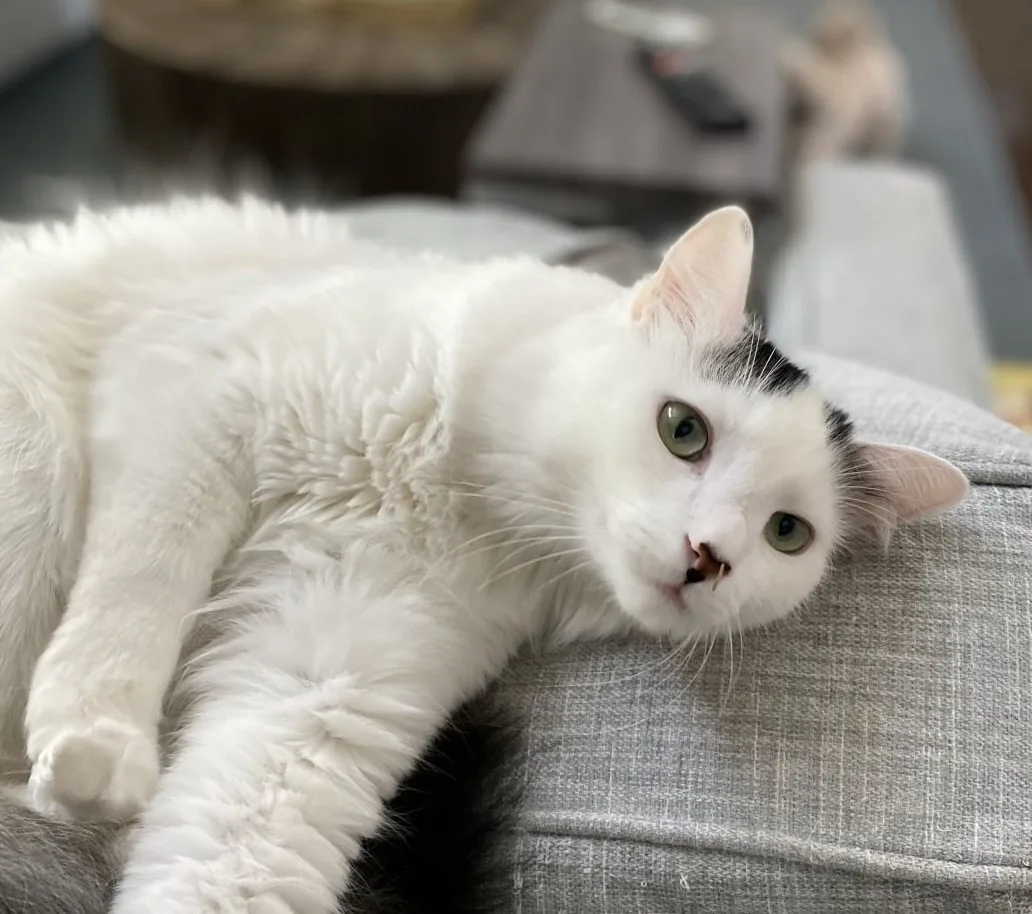
We’d rather lose a booking than skip a day on a cat.
Need a cat sitter in McKinney, Melissa, or Celina while you’re away? Call (214) 244-1629 or reach us through the contact page.

Susan Gary owns Top Dog Pet Sitters in McKinney, Melissa, and Celina, TX, with her husband, Erick. She has been a professional pet care provider since 2015. Susan is a member of Pet Sitters International, is a founding member of the Texas Pet Sitters Association, and certified in pet CPR/First Aid. Susan is a long-time McKinney resident and a retired minister. Learn more about her here.