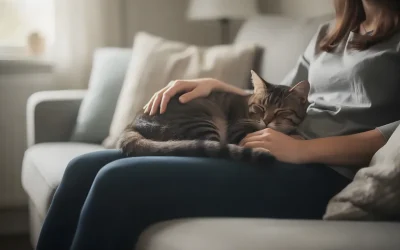

Yes, cats get cold. Fur doesn’t make them immune, and a cat can get into real trouble when the weather turns. Here’s what vets and animal welfare groups say about keeping cats warm in winter, for pet parents with indoor cats, outdoor cats, community cats, or a trip on the calendar.
Do cats get cold?
Yes, cats get cold, and the belief that fur protects them is a myth. The AVMA calls the idea that cats and dogs resist cold better than people because of their fur untrue. Cats can get frostbite and hypothermia (a dangerously low body temperature), and the AVMA says they generally should be kept inside.
Shivering is how a cat makes body heat, according to the Texas A&M veterinary college.
How cold is too cold for cats?
No vet or welfare group gives one temperature that fits every cat, because tolerance varies with coat, body fat, activity level and health. The AVMA lists those factors.
The ASPCA says if it’s too cold for you, it’s probably too cold for your pet. The SPCA of Texas turns that into a test: stand outside for a few minutes, and if you’re uncomfortable, it’s too chilly for your pets to be out.
The AVMA doesn’t recommend keeping any pet outside for long periods. The SPCA of Texas says wet and cold weather can lead to hypothermia or pneumonia, and Humane World for Animals says windchill can threaten a pet’s life.
Texas A&M’s vet school points out that Texas winters bring unexpected cold fronts.
Pet cats stay indoors in winter. Cornell Feline Health Center, the AVMA, the ASPCA and Humane World for Animals all say so.
How can you tell your cat is cold?
A cold cat can show it in several ways, and the AVMA and the Red Cross list the same signs:
- Whining
- Shivering
- Seeming anxious
- Slowing down or stopping moving
- Seeming weak
- Looking for warm places to burrow
Frostbite is harder to spot. The AVMA says it may not be recognized until a few days after the damage is done. Texas A&M says ears and tails are the areas least covered by fur, and Humane World for Animals adds paw pads.
If you suspect hypothermia or frostbite, call your vet.
How to keep an indoor cat warm in winter
To keep an indoor cat warm, give her a warm bed off the floor and away from drafts, with a blanket in it. That’s the ASPCA’s advice.
Texas A&M adds extra bedding like blankets and towels. Offer a few places to sleep, too. The AVMA notes that pets move around depending on how much warmth they want, so choices let her adjust. If she comes in wet from rain or snow, dry her with a towel.
No single thermostat setting fits every cat, so watch your cat and give her warm choices.
Heated pads, space heaters and fireplaces
The AVMA says heated pet mats need caution because they can still cause burns, and space heaters need caution around pets because they can cause burns or be knocked over and start a fire. Cats also chew plugged-in cords, and Texas A&M lists that as a cause of burns.
Texas A&M says heating pads should never go directly on a pet, because they can cause thermal burns. Veterinarians who write about heating pads say the safer choice is extra bedding in a sunny spot. If you use a pad anyway, they say to use the lowest setting, put a layer of padding between the pad and your cat, let her move off it, and stay nearby.
When we’re caring for pets in our clients’ homes, heated beds and heating pads aren’t allowed. They’re a safety hazard.
For a fireplace or wood stove, use an approved screen or barrier.
Older, very young and thin-coated cats
Short-haired cats feel the cold faster because they have less protection, the AVMA says. Very young and very old pets, and pets with diabetes, heart disease, kidney disease or hormonal problems, may have a harder time regulating their body temperature.
For a senior or arthritic cat, Texas A&M recommends soft, warm bedding she can rest in and gentle handling, since arthritis worsens in cold, damp weather. With a very young kitten, ask your vet.
How to keep outdoor cats warm in winter
If your cat is a pet, she belongs indoors in winter, even if she roams outside the rest of the year. Humane World for Animals and Cornell both say so.
A community cat is an outdoor cat, including ferals who avoid people and strays. Alley Cat Allies says community cats are well adapted and know where to find shelter, and they still do better with a little help. If you feed one in your neighborhood, here’s what Cornell, Alley Cat Allies and Humane World for Animals say.
Shelter. Keep it small, so her own body heat can warm it. It should be insulated, raised off the ground, and out of the wind. A plastic storage bin works as a do-it-yourself shelter, says Humane World for Animals.
Straw. To keep a community cat warm in winter, fill her shelter with straw and skip blankets and towels. Alley Cat Allies says straw repels moisture, while blankets and towels soak it up and leave the shelter wet and cold. Humane World for Animals says blankets and towels absorb body heat and chill the cat, and hay may irritate her nose. Cornell also says straw, not cloth or hay. Replace straw that gets wet or dirty.
Water. Water freezes outdoors. Use a deep, thick plastic bowl in a sunny spot, or moving water, and check it. Humane World for Animals recommends plastic over metal, since a tongue can stick to cold metal. Keep bowls out of the shelter, since spills make it cold.
Food. Cats burn extra energy to stay warm, so the ASPCA and Cornell suggest feeding outdoor cats a little more. Alley Cat Allies says canned food takes the least energy to digest.
Before you start the car
Cats sleep under car hoods and in wheel wells to stay warm, and the fan belt can injure or kill a cat when the engine starts. The ASPCA says to bang loudly on the hood before starting the engine. Cornell adds checking the wheel wells, and honking helps too. Banging and honking give the cat a chance to leave.
Check under the car, every cold morning
Bang on the hood, honk, and look at the wheel wells, then start the engine. It gives a sleeping cat time to get out.
Antifreeze
Antifreeze is extremely toxic to cats, and Cornell says its taste is attractive to them. Pet Poison Helpline says as little as a teaspoon can be fatal to a cat and that she must be treated within 3 hours.
Clean up spills and leaks promptly. If you think a cat licked antifreeze, call your vet or a poison line right away, such as ASPCA Poison Control or Pet Poison Helpline. Don’t try to treat her at home.
Think a cat licked antifreeze? Call now
Call your vet or a poison line right away. Do not try to treat her at home. Treatment has to start within 3 hours.
Outdoor shelter fill: straw, not blankets
Alley Cat Allies says blankets and towels soak up moisture, and Humane World for Animals says they chill the cat lying on them. Alley Cat Allies says straw repels moisture. Swap it out when it gets damp.
Quick answers
Does my cat need a blanket? Indoors, yes: a warm blanket in her bed, plus extra blankets and towels. In an outdoor shelter, no: Alley Cat Allies says blankets soak up moisture, and Humane World for Animals says they chill the cat.
Do cats feel the cold more than people? One vet writing in the Veterinary Ireland Journal points out that cats like it warmer than we do, so a room that suits you can be a little cool for her. Give her a warm spot to move into and watch what she does.
How do community cats get through winter? Community cats are well adapted to living outdoors and know where to find food and shelter, but a dry straw shelter, extra food and unfrozen water help, says Alley Cat Allies. If one looks sick or hurt, call a vet.
What should I do if I think my cat is too cold? Bring her inside and wrap her in a blanket in a warm room, says Texas A&M. Don’t press a heating pad on a very cold cat, since it can burn her, and call your vet.
Going out of town this winter
We run Top Dog Pet Sitters in McKinney, Melissa and Celina. Our cat sitting is for when you travel and your cat stays home.
We visit cats at least once a day, and we don’t do every-other-day cat visits. Cats can develop problems quickly, and a 48-hour gap is too long to catch them. Cats are also often good at hiding illness. On each visit we check that she’s eating, drinking and doing okay.
If you have a winter trip coming up, tell us about your trip and we can talk it through. Your cat can stay in her own home, with someone checking on her while you’re away.

Susan Gary owns Top Dog Pet Sitters in McKinney, Melissa, and Celina, TX, with her husband, Erick. She has been a professional pet care provider since 2015. Susan is a member of Pet Sitters International, is a founding member of the Texas Pet Sitters Association, and certified in pet CPR/First Aid. Susan is a long-time McKinney resident and a retired minister. Learn more about her here.